The Coastal States Organization represents the nation’s Coastal States, Territories, and Commonwealths on ocean, coastal, and Great Lakes resource issues. Having trouble opening links? View this on our website: https://coastalstates.org/resources/ |
|
Representatives Van Drew, Gillen Introduce Coastal Trust Fund Act |
|
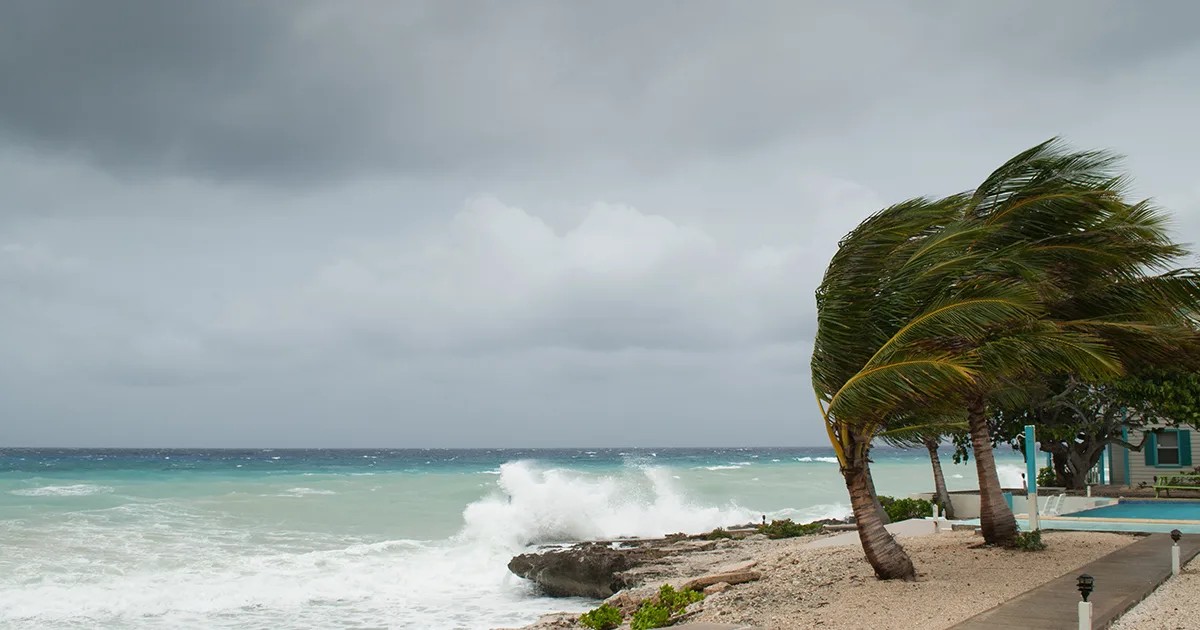
| On February 10th, Congressman Van Drew, along with Congresswoman Laura Gillen (D-NY), introduced H.R. 7459, the Coastal Trust Fund Act, which would create a reliable, long-term funding source for coastal protection projects nationwide. “My bipartisan Coastal Trust Fund Act sets up a permanent and reliable funding stream for coastal storm risk management projects like beach nourishment,” said Congressman Van Drew. “This is a big deal, not just for New Jersey, but for the whole country. The American coastal economy contributes to 46% of national GDP, but too often the government does not deliver coastal protection until after a disaster strikes. This legislation changes the status quo by investing $1 billion a year into the Army Corps of Engineers’ coastal storm management projects. By funding the Coastal Trust Fund with existing offshore energy lease revenues, we earned a budget-neutral score from the Congressional Budget Office, meaning no new taxes or fees on anybody. This bill was developed through months of collaboration with the top coastal experts in the country, and it is one of the most serious efforts in history to protect the coastlines of the United States. Thank you to my colleague Representative Gillen and the entire coastal community for supporting this effort.” “As a lifelong Long Islander, I have witnessed firsthand how hurricanes, severe storms and coastal erosion can devastate our beachfronts,” said Congresswoman Laura Gillen. “Long Island is home to some of the nation’s most beloved and iconic beaches, yet these treasured shorelines face growing threats from stronger storms and rising sea levels. That is why it is critical that we act now to strengthen our coastal resilience by investing in proactive, long-term solutions. We must secure dedicated funding for projects that protect our waterfront communities and preserve our shoreline. This will ensure that future generations can continue to live, work and enjoy the natural beauty that defines Long Island.” “This bill, introduced today by Representative Van Drew and Representative Gillen, creates a much-needed mechanism to ensure that federal funding is available for coastal projects, like beach nourishment. Beaches not only play an important role in the increasing resilience to coastal storms but are significant drivers of tourism and other economic activity for states and local communities,” said Derek Brockbank, Executive Director, Coastal States Organization. Read more here. |
|
| In the States and Territories |
|
| Resilience Through Restoration Initiative Protects Maryland Communities and Coastlines In its eight years of operation, Maryland’s Resilience through Restoration Initiative has supported more than three dozen projects in the state and transferred millions of dollars into critical environmental efforts that protect communities, shore up habitat, and provide lasting economic benefits for long-term resilience in coastal areas. The program prioritizes nature-based solutions to harness the power of living shorelines, wetlands, and natural stormwater practices to help protect communities from flooding hazards rather than relying solely on gray infrastructure like bulkheads and revetments. The projects are supported by strategic state investment, which helps to bring additional support from federal and local funding. Launched in 2017, the pilot program set out with an ambitious goal: implement at least 15 nature-based demonstration projects that would address escalating risks from extreme weather and climate-related events. The program has overachieved in its initial project goal, rather than implementing 15 projects, it has supported the design and construction of 41 projects across Maryland. “The numbers don’t lie–the program has achieved a remarkable multiplier effect,” said Nicole Carlozo, director of DNR’s Center for Resilient Communities and Landscapes. “This leveraging of funds is one of the program’s greatest strengths. The Resilience through Restoration program is essential in helping Maryland communities compete successfully for these federal dollars which are highly competitive at the national level.” Read more here. Maine Sea Grant and University of Maine Announce $2 Million in New NOAA Awards to Support Innovative American Lobster Research and Outreach The Maine Sea Grant Program at the University of Maine is pleased to announce its receipt of $1.4 million from National Oceanic and Atmospheric Administration (NOAA), awarded to support research and outreach activities of the NOAA Sea Grant-funded American Lobster Initiative. With this new four-year award, Maine Sea Grant and its regional partners will support collaborative research to address complex challenges facing the American lobster fishery. The initiative will also synthesize research findings so they are accessible and actionable for fishermen, policymakers and the public, and support place-based technical assistance within the Gulf of Maine, Georges Bank and Southern New England region. The American lobster (Homarus americanus) is among the nation’s most valuable fisheries, with approximately 113 million pounds landed in 2024, valued at $715 million. The industry supports thousands of Maine families across the fishing and seafood supply chain and faces growing uncertainty driven by environmental and market change. Read more here. |
| Alabama House Unanimously Passes “Save Our Bay” Bill The Alabama House of Representatives passed a bill by State Rep. Rhett Marques (R-Enterprise) on Tuesday that would require 70% of dredged material to be beneficially used. House Bill 181 (HB181) would define beneficial-use projects to prevent in-bay mud dumping by the U.S. Army Corps of Engineers. The Corps is conducting maintenance dredging in the Port of Mobile. The bill would allow the Alabama Department of Environmental Management (ADEM) and the Alabama Department of Conservation and Natural Resources (ADCNR) to jointly administer the Coastal Area Management Program to ensure conservation and economic interests. Read more here. Texas GLO Announces Completion of the Beach Nourishment Project on West Galveston Beach On February 17th, Texas Land Commissioner and Veterans Land Board (VLB) Chairwoman Dawn Buckingham, M.D., announced that the Continuing Authorities Program Section 204 (CAP 204) West Galveston Beach Nourishment Project is complete. The project was done through a partnership between the Texas General Land Office (GLO), the City of Galveston, and the U.S. Army Corps of Engineers (UACE). In June 2025, after recognizing the urgent need to address significant erosion along the island’s west end, the City of Galveston formally requested assistance from USACE to explore long-term solutions, which included a feasibility study that showed the overall cost and scope of the project and determined federal interest. A total of 378,268 cubic yards of beach quality sand was placed over 5,300 linear feet on West Galveston Beach beginning at Sunbather Ln and ended at Jane Rd right before Beach Access 12. Utilizing beach-quality dredge material from the Galveston Ship Channel, the overall goal of the project was to build back the shoreline to help protect homes and surrounding infrastructure while protecting surrounding wildlife habitats. Read more here. |
| Indiana – New Coastal Guide Shows How Gardens Aid Migratory Bird Safety Save the Dunes has unveiled its latest homeowner’s guide for bird conservation. The new resource, titled “Living in the Dunes: A Homeowner’s Landscaping Guide for Bird Conservation in Indiana’s Coastal Communities,” is the third in its Living in the Dunes series. The focus of the guide is on the role Northwest Indiana plays in supporting birds, particularly migratory species using the Mississippi Flyway. The region is a critical corridor for these birds and provides habitat for many resident species. Although protected lands like Indiana Dunes National Park and regional nature preserves are vital, much of the landscape between them has been developed, limiting food, shelter and safety for birds. The guide aims to educate homeowners on how native plants and thoughtful garden design can create essential habitats for birds. It includes bird profiles, recommendations for native plants, garden layout templates, and practical tips for making bird-friendly landscapes. Funding for the project came from the National Oceanic and Atmospheric Administration and the Indiana Department of Natural Resources Lake Michigan Coastal Program, with matching support from BP. Read more here. Ohio Sea Grant Diverts Plastic as Part of Great Lakes Plastic Cleanup Partnership Ohio Sea Grant recently completed another successful season deploying its trash-trapping robots BeBot and PixieDrone, through partnerships with the Great Lakes Plastic Cleanup. From April to October 2025, Ohio Sea Grant worked with several partners, including Cleveland Metroparks, Cuyahoga Community College Youth Technology Academy, Eriesponsible, and Ohio Clean Marinas, to deploy the BeBot and PixieDrone to clean up marine debris across Ohio’s western and central Lake Erie basins. Through this work, 856 identified pieces of debris were removed from the coastline. The Great Lakes Plastic Cleanup (GLPC), a joint effort between Pollution Probe and the bi-national Council of the Great Lakes Region (CGLR), is the first-of-its-kind using innovative technology to quickly remove plastic litter and marine debris at sites across t he region, including Lake Erie. The litter collected was analyzed and categorized throughout the season, and the valuable data collected will be published to the GLPC Website and used to identify litter sources and pathways, helping to protect the Great Lakes region, now and for future generations. Read more here. |
| California Coastal Conservancy Awards over $54 Million for Coastal Resilience, Restoration, and Public Access The Board of the State Coastal Conservancy authorized a total of over $54 million in funding for 28 projects that will help to restore the California coast, expand public access, and improve climate resilience. The California Department of Conservation’s Regional Forest and Fire Capacity Program was awarded over $1 million to improve forest health and wildfire resiliency, facilitate greenhouse gas emissions reductions, and increase carbon sequestration in forests in Alameda, Santa Clara, San Luis Obispo, and Santa Barbara Counties. Ducks Unlimited was awarded $941,000 to augment a previously authorized Conservancy grant for the restoration of tidal marsh and creation of public access at the Mountain View Ponds (Ponds A1 and A2W) and to disburse $559,000 to the California Wildlife Foundation to conduct monitoring and adaptive management, both of which are part of Phase 2 of the South Bay Salt Pond Restoration Project in Santa Clara, San Mateo, and Alameda Counties. The American Canyon Community and Parks Foundation was awarded a grant of up to $2.8 million to undertake the Napa River Ecology Center, Implementation Phase, consisting of retrofitting a defunct corporation yard into an accessible, environmental education center that includes educational and interpretive elements, climate resiliency features, and connector trails in Napa County. Nearly $21 million of the total awarded comes from the 2024 Climate Bond. Read more here. Washington – Building Coastal Climate Change Resilience In 2023, the Washington Department of Ecology launched an innovative approach to help Washington’s coastal communities and Tribes build their resilience to climate change. They established a special Coastal Hazards Organizational Resilience Team, or COHORT, to help boost the ability of coastal communities and Tribes to thrive in the present, adapt to challenges and transform as necessary to meet future threats, and take advantage of opportunities related to climate change. More than half of Washington residents, about 5 million people, live and work in the 15 counties contiguous to Puget Sound and Pacific Ocean coast. The COHORT works in close collaboration with the counties as well as 19 coastal Tribes and dozens of cities, ports, conservation districts and other public entities throughout the region. Read more here. |
| [NEW] Report: Our Coasts, Resiliency, and Carbon Dioxide Removal: A Practitioner-Informed Roadmap for Enhancing Coastal Resilience and CDR Potential Along the U.S. Coastline This roadmap explores how coastal resilience infrastructure, living shorelines, ecosystem restoration, and stormwater systems can become platforms for both climate adaptation and carbon dioxide removal. It outlines where integrations are physically possible, how policy and permitting pathways can enable pilots, and what meaningful monitoring and community engagement must look like from the project start. As coastal communities face accelerating sea-level rise, erosion, and flooding, we believe investments in resilience can also advance mitigation, delivering adaptation that mitigates and mitigation that strengthens resilience. This work was made possible through the generous support of The Navigation Fund, and in close collaboration with the Carbon Removal Standards Initiative (CRSI). Read the full report here. [NEW] 2026 National Coastal Resilience Fund RFP Now Open The National Fish and Wildlife Foundation (NFWF), in partnership with the National Oceanic and Atmospheric Administration (NOAA), Occidental, and Shell is now soliciting Pre-Proposals for the 2026 National Coastal Resilience Fund (NCRF). The Request for Proposals is available here. The National Coastal Resilience Fund will award grants for nature-based solutions that protect coastal communities while enhancing habitats for fish and wildlife. The National Coastal Resilience Fund invests in coastal resilience projects that restore, increase and strengthen natural infrastructure such as coastal marshes and wetlands, dune and beach systems, oyster and coral reefs, rivers and floodplains, coastal forest, and barrier islands that mitigate the impacts of storms and other coastal hazards to communities. Pre-proposals must be submitted through NFWF’s Easygrants system no later than March 31st, 2026 11:59 PM ET. National Shoreline Management Study – Pacific Islands and Commonwealth Regional Assessment Our U.S. Army Corps of Engineers (USACE) National Shoreline Management Study (NSMS) team is pleased to announce that the final NSMS U.S. Pacific Islands Regional Assessment report is available to download. The NSMS regional assessments represent a USACE-led collaborative effort, highlighting the physical, economic, environmental, social, and cultural impacts of shoreline change that result from natural and human-induced influences on coastal processes across every coastal region of the United States. NSMS reports provide national and local government policymakers, coastal scientists and engineers, academia, indigenous peoples, Tribal nations and representative groups, and other coastal interests and decision-makers key findings and recommendations regarding erosion and accretion and their causes. Learn more here. Boat US Foundation – Capturing Abandoned and Derelict Vessels across the US, Freely Associated States, and US Territories The BoatUS Foundation for Boating Safety and Clean Water has developed this reporting database to identify and track Abandoned and Derelict Vessels (ADVs) in the United States, Freely Associated States, and U.S. Territories. BoatUS Foundation is collecting information, through individual reports, to understand the scope of the problem of ADVs and track prevention and removal efforts by states and partners. ADVs pose navigation, safety, and pollution hazards to the communities where they are located. With your help, we can understand this issue better and work together towards solutions that prevent future ADVs. This project was made possible and supported by the National Oceanic and Atmospheric Administration Marine Debris Program. Learn more here. Funding Opportunity: Climate Smart Communities Initiative CSCI awards provide funding and technical assistance to advance community-based climate resilience in US communities or regions that are highly vulnerable to the impacts of climate change. The total grants budget is $1.5-2 million and grants typically range from $75,000 to $115,000 based on the scope of work proposed in the application. CSCI anticipates awarding between 16-20 grants for the 2026 cycle. The program prioritizes funding for communities that include historically disinvested populations at increased risk to climate-related impacts. It is open to US-based project teams composed of a climate adaptation practitioner and representatives from a local or regional government entity and a community-based organization. The application deadline is March 12, 2026. Learn more here. Great Lakes Climate Adaptation Resource Guide For hundreds of small and medium-sized communities across the Great Lakes region, preparing for the water-related impacts of changing weather patterns can be challenging. The International Joint Commission’s (IJC) Great Lakes Water Quality Board has developed a new Great Lakes Climate Adaptation Resource Guide. The guide highlights tools and approaches (including the CALM community of practice!) to help communities integrate Great Lakes water topics into their climate adaptation and resilience strategies. For additional information, read the one-pager or view the informational webinar. Read the full guide here. Coastal Southeast Technical Assistance Application For those that haven’t heard, the Coastal Stormwater Center of the Southeast (CSC) is one of four EPA-funded Stormwater Centers of Excellence across the U.S. The Center for Watershed Protection is honored to lead the CSC alongside an incredible team of partners: University of Florida, East Carolina University, North Carolina Coastal Federation, Clemson University, Virginia Tech, University of Georgia, and Auburn University. Through the CSC, we’ll be offering technical assistance at no cost, to state, Tribal, and local governments and environmental non-profits tackling stormwater challenges across coastal VA, NC, SC, GA, FL, and AL. This is just one of the many initiatives we’ll be rolling out to support resilience and innovation across the region. Learn more here. Funding Opportunity: $1.45 Billion in Supplemental Economic Funding Available for Disaster Recovery The United States Economic Development Administration has announced the Notice of Funding Opportunity (NOFO) for its Fiscal Year (FY) 2025 Disaster Supplemental Grant Program. This program makes approximately $1.45 billion available to areas that received major disaster declarations in the calendar years 2023 and 2024 for economic recovery activities. Funds can support both construction and non-construction projects. State and local governments, Native tribes, higher education institutions, public or private non-profit organizations that work with local government, economic development organizations, and public-private partnerships for public infrastructure are eligible. The EDA will fund up to 80% of the project with higher percentages available for severely distressed applications and Tribal organizations. Applications are accepted on a rolling basis until funds are spent for Readiness and Implementation path projects, while Industry Transformation grants will be due March 3, 2026. For more information, contact Rania Campbell-Bussiere. |
|
| The views expressed in articles referenced here are those of the authors and do not represent or reflect the views of CSO. If you have a news item or job posting to include in future CSO Newsletters, please send an email to: ecrocco@coastalstates.org with a subject line: “Newsletter Content”. Please include the information to be considered in the body of the email. Please note: CSO reserves final decision regarding published newsletter content and may not use all information submitted. |
|
| Coastal States Organization | 50 F Street. NW, Suite 570, Washington, DC 20001 | 202-800-0580 | cso@coastalstates.org | www.coastalstates.org |
|
|
|
|